Authored By-Boye Timmermann
When it comes to your eye health, surgical interventions can make a considerable distinction. Whether you're dealing with cataracts, glaucoma, or retinal problems, recognizing just how these problems are detected and treated is vital. You might be surprised by the innovations in innovation that enhance these outpatient procedures. Interested about what to expect during therapy and just how it can improve your vision? Allow's discover each problem and the options offered to you.
Cataracts: Causes, Signs, and Therapy Options
Cataracts establish when the lens of your eye becomes cloudy, often as a result of aging or extended exposure to UV light. As you age, healthy proteins in your lens can damage down, leading to blurred vision, boosted level of sensitivity to glare, and problem seeing at night.
You could additionally see shades appearing discolored or yellow-colored.
Therapy alternatives include prescription glasses or call lenses in the onset. Nonetheless, if your symptoms get worse and interfere with everyday activities, surgical treatment may be necessary.
During cataract surgical treatment, the over cast lens is removed and changed with an artificial intraocular lens. This outpatient treatment usually brings back clear vision, allowing you to enjoy everyday tasks without the constraints brought on by cataracts.
Exactly How Ophthalmologists Identify and Treat Glaucoma?
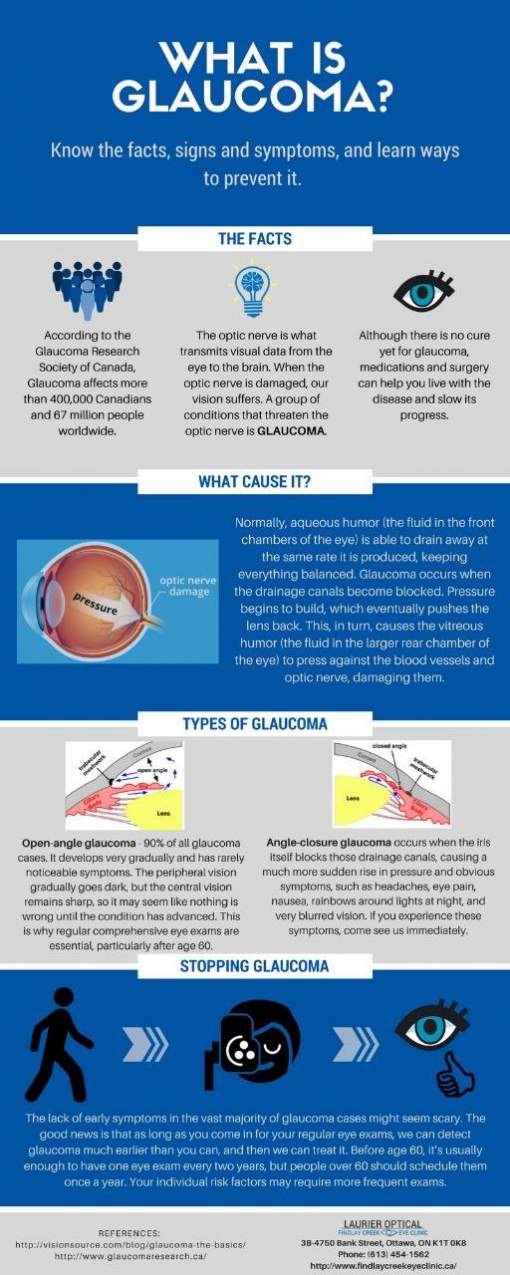
Glaucoma, typically referred to as the "silent thief of view," is a group of eye conditions that slowly damage the optic nerve, typically because of boosted intraocular pressure.
To diagnose glaucoma, your eye doctor will perform several tests, consisting of determining your intraocular pressure, assessing your optic nerve, and inspecting your field of vision. They could also make use of imaging examinations for a thorough view of your eye structures.
If detected, therapy options differ. Drugs, commonly in the kind of eye decreases, are commonly the first line of protection to lower stress.
If those aren't efficient, your ophthalmologist might suggest laser therapy or surgery to improve fluid drainage. Routine examinations are critical to monitor your condition and adjust your therapy as needed.
Recognizing Retinal Problems: Diagnosis and Therapy
Retinal problems can substantially impact your vision, and recognizing them is essential for effective diagnosis and therapy. These problems consist of age-related macular degeneration, diabetic person retinopathy, and retinal detachment.
If you discover blurred vision, dark places, or sudden vision loss, it's vital to see your ophthalmologist without delay.
During your appointment, your doctor will perform a detailed eye exam, commonly using devices like optical comprehensibility tomography to obtain in-depth images of your retina.
Depending on the diagnosis, treatments might entail medicines, laser therapy, or surgical procedure.
Staying visit this web page link about your eye health and wellness can aid capture problems early, maintaining your vision.
Verdict
In summary, surgical eye care supplies effective solutions for cataracts, glaucoma, and retinal problems. With advancements in innovation, ophthalmologists can diagnose and deal with these problems more successfully than ever. By understanding your choices and reviewing them with your eye professional, you can take positive actions toward much better vision and eye health and wellness. Do not be reluctant to look for assistance-- your eyes are entitled to the very best care feasible!